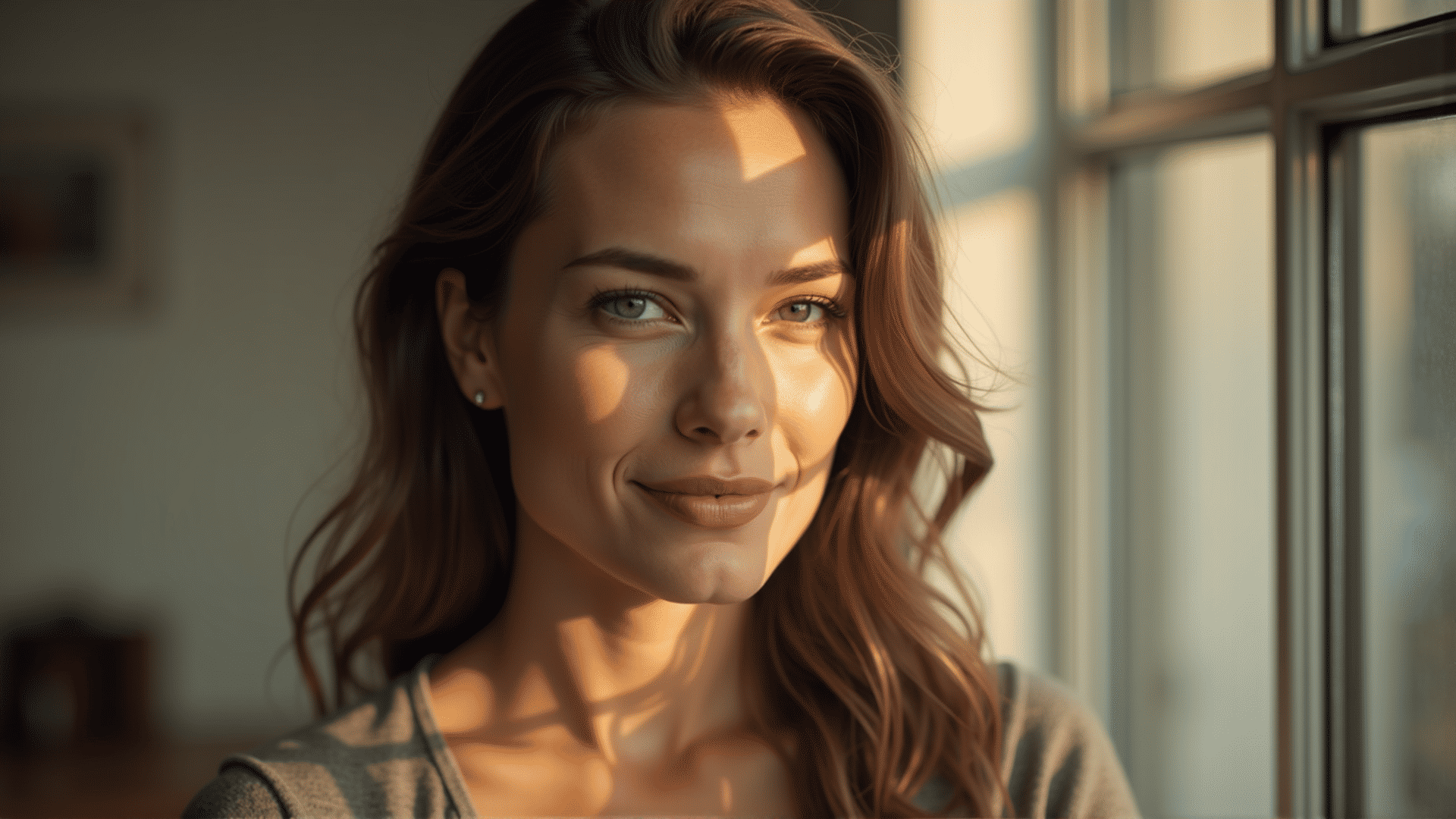
Enhancing your portrait photography skills can transform the way you capture images, allowing you to create stunning and evocative portraits that truly resonate with viewers. Whether you're a keen enthusiast or a budding professional, mastering the essentials of lighting, composition, and capturing authentic expressions can elevate your work to new heights.
Understanding Lighting
One of the most important aspects of portrait photography is lighting. Good lighting can emphasize features, create moods, and make your subject stand out. Start by exploring natural light, which is softer and often more flattering. A bright yet overcast day can serve as the perfect setup. Avoid harsh midday sun; instead, aim for the golden hours—just after sunrise and just before sunset—when the light is warm and soft.
For those willing to venture into artificial lighting, consider working with reflectors to bounce light onto your subject, which can help eliminate harsh shadows. Experiment with different light sources and their positions relative to your subject to see how it affects the image.
Crafting Composition
Effective composition brings balance and focus to portrait photography. Follow the rule of thirds by mentally dividing your frame into a grid, placing your subject along these lines or at the intersections, which naturally draws the viewer's eye.
Pay attention to the background and ensure it complements rather than distracts from your subject. Simple, blurred backgrounds often work well to keep attention on the person's expression and features.
Capturing Authentic Expressions
Achieving a genuine expression requires establishing a connection with your subject. Spend some time getting to know them, easing any tension they may feel in front of the camera. If they appear relaxed and comfortable, their expressions will reflect authenticity.
Give clear yet gentle directions, and be patient. Sometimes, candid moments between posed shots capture the truest reflections of personality and emotion. Encourage natural movements and interactions, rather than rigidly dictating every pose.
Experimenting and Learning
Photography is an art that thrives on experimentation. Don't hesitate to try new angles, techniques, or styles. Every session offers a learning opportunity, helping you discover what best suits your unique vision.
In summary, improving your portrait photography revolves around the harmonious blend of lighting, composition, and the ability to elicit sincere expressions. As you refine these skills, your portraits will not only convey the external beauty of your subjects but will also capture their inner essence.