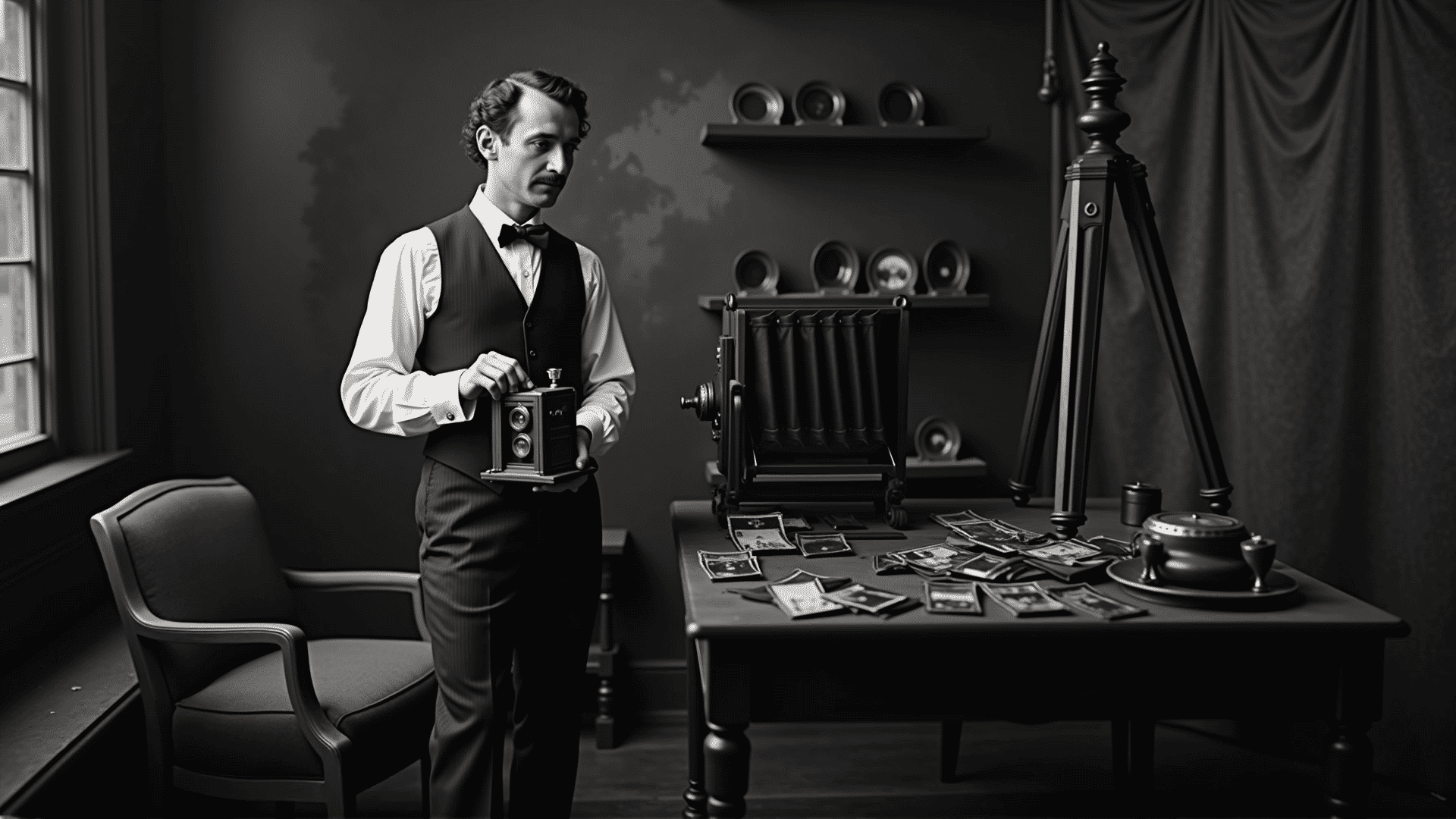
In the vast and dynamic world of visual storytelling, the journey of photography stands as an intriguing narrative, woven through centuries of innovation and creativity. Understanding this evolution requires a glance at the influential figures whose visions transcended the constraints of their times, carving paths for future generations of photographers.
The exploration begins in the 19th century, where the magic of capturing light was still in its infancy. Joseph Nicéphore Niépce, a French inventor, is recognized as one of the earliest experimenters. He achieved the first known long-lasting photograph using a process called heliography in 1826 or 1827. His work laid the foundation for the art and science of image-making.
Following closely in Niépce’s footsteps, Louis Daguerre emerged with the daguerreotype in 1839, a method that reduced exposure time significantly and improved clarity and detail. Daguerreotypes caught public imagination and spread the fascination with capturing images, heralding a new culture of self-representation and documentation.
In the ensuing decades, Talbot’s calotype process provided the ability to produce multiple copies of a single image. Unlike the daguerreotype, the calotype used paper negatives, inviting more flexibility and accessibility. The contributions of Henry Fox Talbot are acknowledged as vital in democratizing the experience of photography, allowing it to shift from wealthy enthusiasts to broader audiences.
As the 19th century gave way to the 20th, photography began to take on a more artistic dimension. Figures like Ansel Adams revolutionized landscape photography through the use of large-format cameras, focusing on ever-so-crisp depictions of the natural world. His photographs of the American West are lauded for their technical precision and emotional depth.
On the other side of the Atlantic, pioneers such as Henri Cartier-Bresson emphasized the art of on-the-fly life capture. A master of candid photography and a co-founder of Magnum Photos, his focus on the "decisive moment" shifted photography towards capturing spontaneity and emotion in real-time.
In the mid-to-late 20th century, pioneers like Dorothea Lange and Gordon Parks used the medium to confront social issues, elevating photography into a tool for change. Lange’s works during the Great Depression and Parks’ documentation of racial injustices in America continue to resonate, illustrating the powerful intersection of art and advocacy.
In modern times, with the advent of digital technology, visionary artists such as Annie Leibovitz and Sebastião Salgado have pushed the boundaries further, each bringing a distinct voice to portrait and documentary photography, respectively. Their deep engagement with their subjects offers a contemporary perspective on human experience and environmental concerns.
Photography continues to evolve, emboldened by these pioneering spirits who dared to reshape how we perceive and narrate our world. Their legacies endure, inspiring new generations to explore fresh possibilities and continue the legacy of innovation and storytelling. As digital tools expand the horizon, the timeless appeal of photography as an art form and a communicative medium remains undeniably rich and ever captivating.