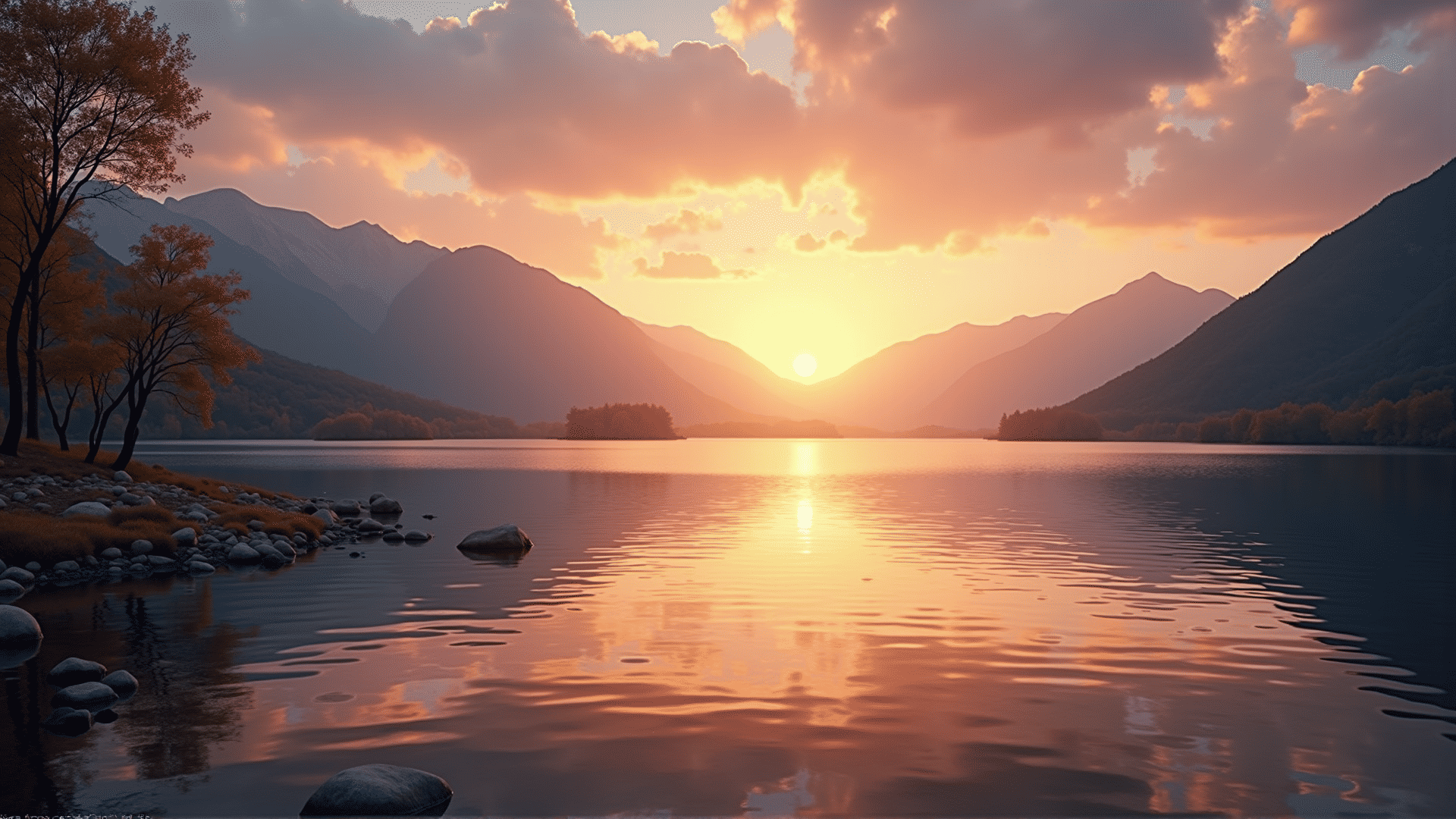
Light, with its multifaceted nature, is the cornerstone of all photography. Understanding and mastering the interplay of light can transform an ordinary photograph into a stunning piece of art. This journey into the realm of light will uncover its potential to enrich imagery and influence how viewers perceive a photograph.
Natural Light: Harnessing the Sun
Natural lighting is an ever-changing element that photographers have learned to both chase and adapt to. The golden hours, occurring shortly after sunrise and before sunset, provide soft, warm light that casts long, interesting shadows. This time of day is ideal for capturing landscapes and portraits, as the light enhances textures and creates a multidimensional effect.
Midday sunlight, known for its harshness, challenges many photographers but also offers opportunities. By seeking out areas of shade or using natural reflectors like water surfaces or sand, one can soften the impact of high noon lighting. Another creative approach during midday is to embrace the harsh light, using it to create striking high-contrast images.
Artificial Light: Crafting the Mood
Artificial light offers the advantage of control. Studio lights, be they softboxes, LED panels, or flashes, allow photographers to engineer their own lighting conditions, tailoring the quality, direction, and color to suit the desired aesthetic. For instance, adding colored gels to artificial lights can inject mood and emotion into a scene, transforming a standard photograph into something extraordinary.
Mastering the manipulation of artificial light involves understanding the nuances of shadows and highlights. The chiaroscuro technique, which emphasizes the contrast between light and dark, can add depth and drama, inviting viewers into a story told through shadows and light.
Practical Techniques and Tips
-
Reflect and Bounce: Use reflectors to manipulate both natural and artificial light. Reflectors can fill in shadows, making the light softer and more even, which is especially useful for portrait photography.
-
Diffusion: Softening light can be achieved by diffusing it with materials such as sheer curtains, softboxes, or diffusing panels. This technique is essential for portrait work, as it reduces harsh lines and creates a flattering, gentle glow.
-
Experiment with Angles: The angle at which light strikes a subject can drastically alter the mood of a photograph. Side lighting can highlight textures, while backlighting can create silhouettes or rim lighting effects, accentuating outlines and adding a sense of mystery.
-
Long Exposures: By extending the exposure time, photographers can capture the movement of light. This technique is often used in night photography to create ethereal and dynamic images, where light trails from moving objects like cars or stars become visual elements.
-
Light Painting: In low-light settings, using a handheld light source to paint or trace around a subject during a long exposure can yield surreal and otherworldly effects. This technique blurs the line between photography and art, allowing for an imaginative representation of reality.
Embracing Light as an Artistic Tool
Ultimately, the art of capturing light in photography is about experimentation and adaptation. Each session with light is an opportunity to explore new artistic avenues and discover how different lighting techniques can express emotions and stories. As photographers deepen their understanding of light, they gain the ability to wield it as a powerful tool, transforming their vision into captivating and memorable art.